

Description
3 Simple Upgrades That Help You Stay Ahead of Messy RV Sewer Problems

You Maintain Your RV Engine, Roof, Tires, and Plumbing. But Are You Giving Your Sewer System the Same Attention?
If you're the type of RV owner who prefers doing your own maintenance, you already know one important rule:
It's easier to stay ahead of a problem than deal with the mess after it happens.
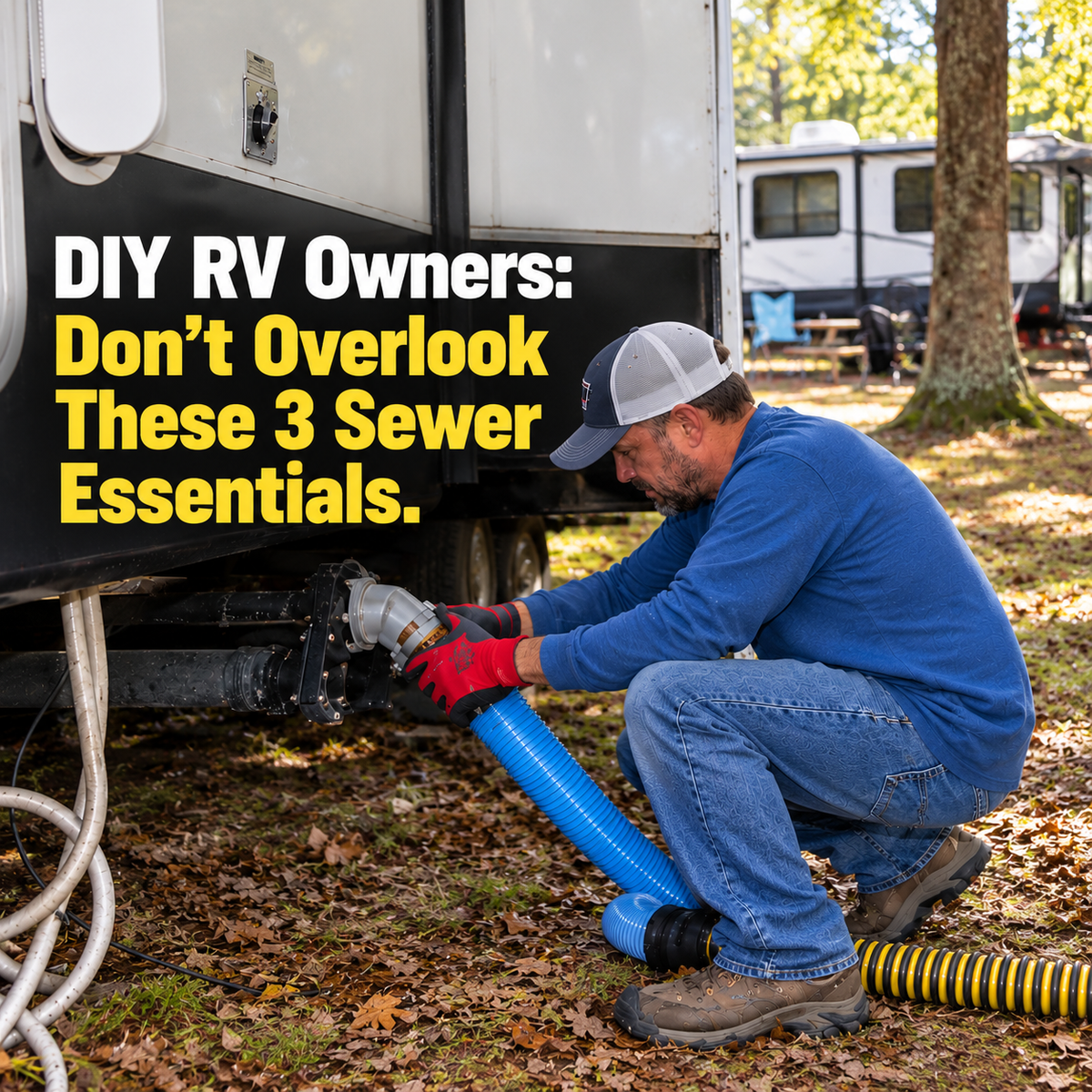
But while most DIY RV owners regularly inspect their tires, check for roof leaks, and maintain their water systems, the sewer setup can be easy to overlook.
An empty black tank may still contain waste residue. An unsupported sewer hose can collect wastewater in low spots. And a sewer hose that isn't properly rinsed can leave unpleasant residue behind when it's packed away.
These may seem like small inconveniences, but they're exactly the kind of maintenance issues worth addressing before they become recurring frustrations.
3 RV Sewer Maintenance Mistakes DIY Owners Should Avoid

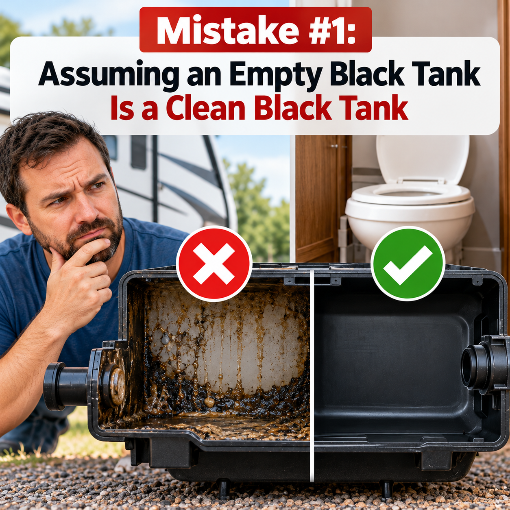
Mistake #1: Assuming an Empty Black Tank Is a Clean Tank
When the black tank stops draining, it's tempting to assume the job is finished.
However, waste residue can remain on the inside surfaces even after the tank is emptied.
Over time, this residue may contribute to unpleasant odors, buildup, and additional cleaning work.
A better approach: Include tank rinsing in your regular dumping routine to help flush out remaining waste residue.
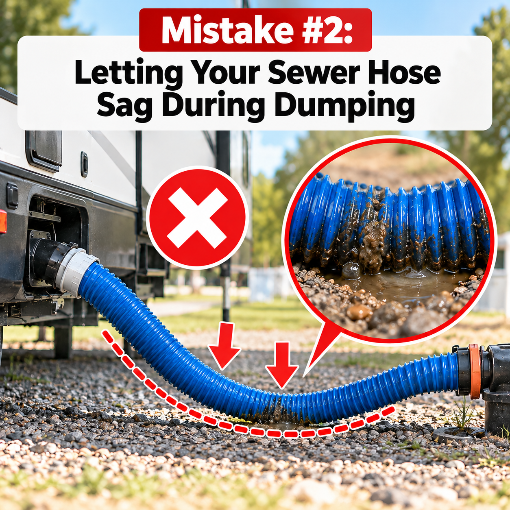
Mistake #2: Letting Your Sewer Hose Sag During Dumping
An unsupported sewer hose can develop low spots, especially on uneven campground ground.
These dips may collect wastewater and interrupt smooth drainage toward the sewer inlet.
That can mean extra time lifting and repositioning the hose.
A better approach: Support your sewer hose to help maintain a consistent downhill slope.
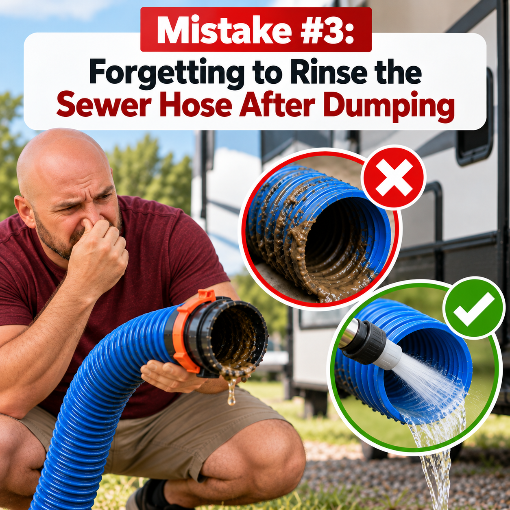
Mistake #3: Forgetting to Rinse the Sewer Hose After Dumping
Just because the wastewater has stopped flowing doesn't mean the hose is completely clean.
Residual wastewater can remain inside, potentially causing unpleasant odors during storage.
A better approach: Rinse your sewer hose after dumping and before packing it away.
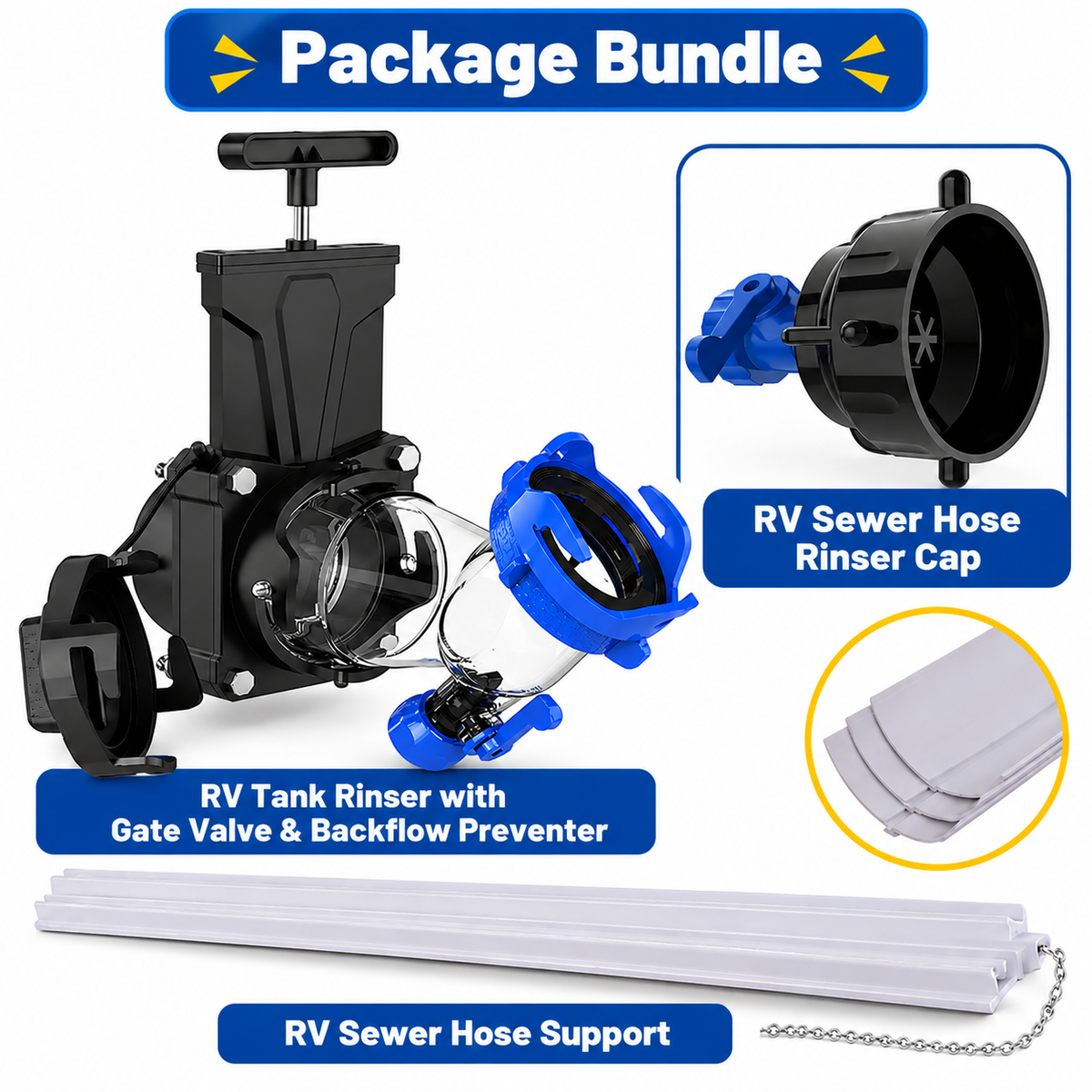
Introducing the RV Preventive Sewer Maintenance Bundle
3 Practical Tools for DIY RV Owners Who Take Maintenance Seriously.
This bundle combines three useful accessories to help you improve your RV sewer maintenance routine.

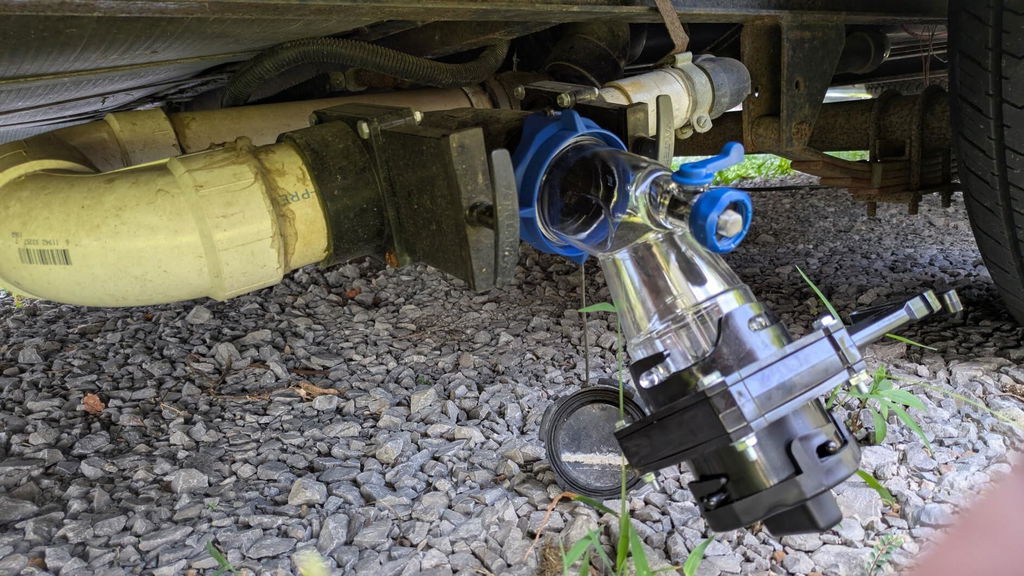
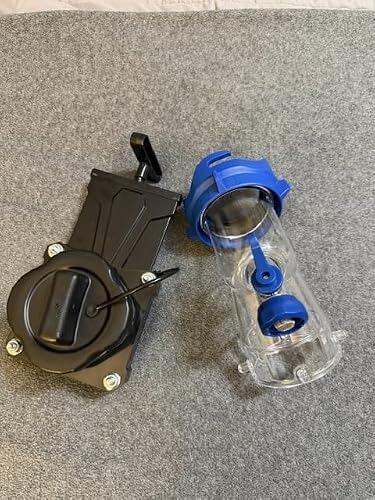
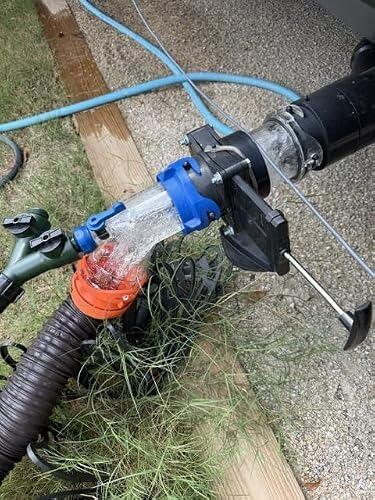
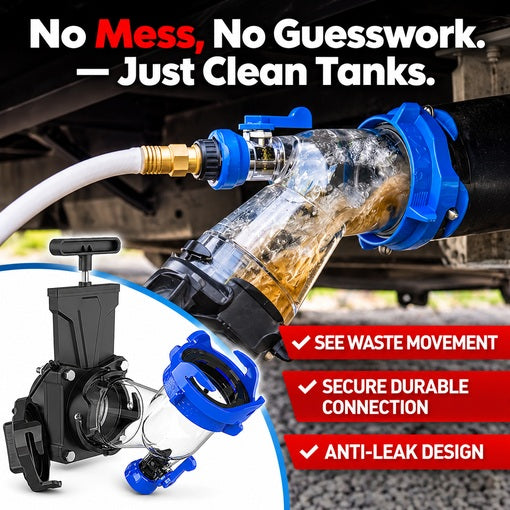
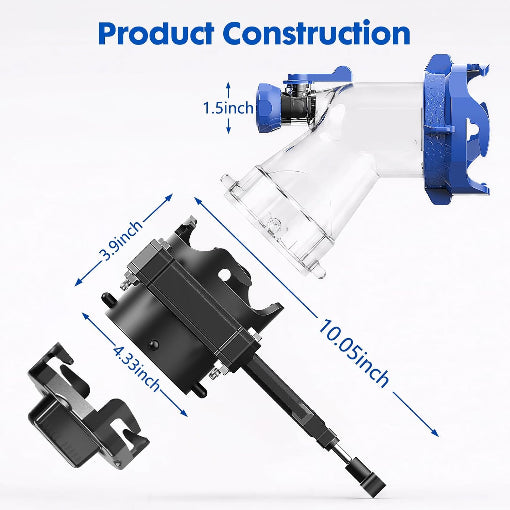
Tool #1: RV Tank Rinser with Gate Valve & Backflow Preventer
Help Flush Away Leftover Waste Residue Before It Builds Up.
Your black tank needs more than simply emptying.
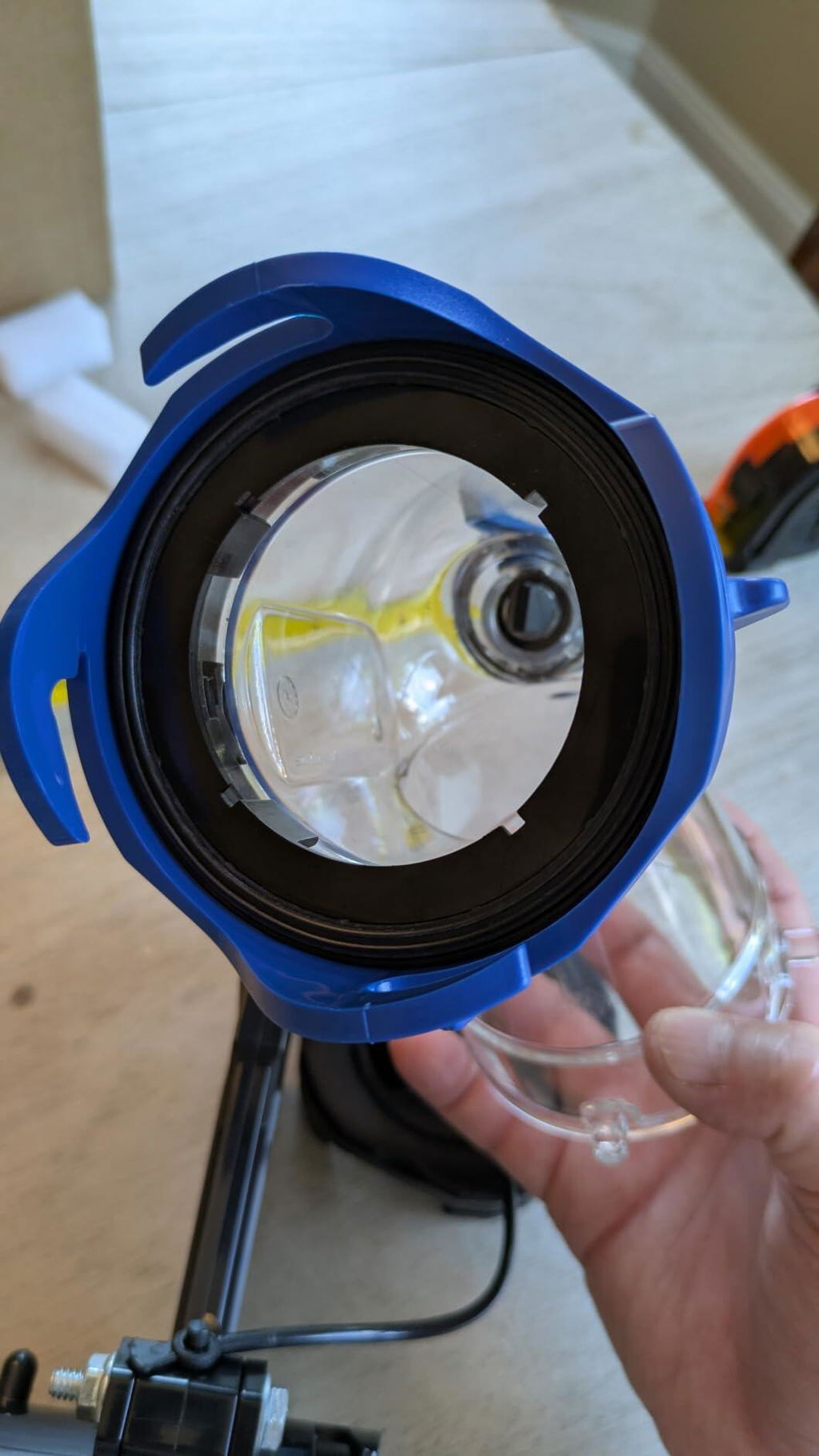
The RV Tank Rinser helps introduce rinse water to flush remaining waste residue during regular maintenance.
Its gate valve provides additional control, while the backflow preventer helps protect the rinse-water supply when used correctly.

Why DIY RV owners need it:
-
Helps flush leftover waste residue.
-
Supports a more thorough tank-rinsing routine.
-
Makes regular holding tank maintenance more convenient.
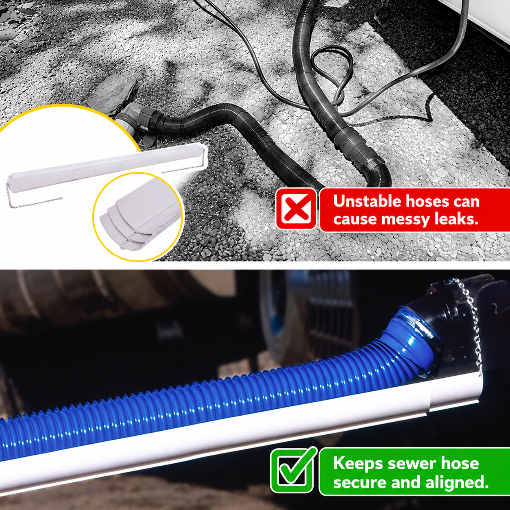
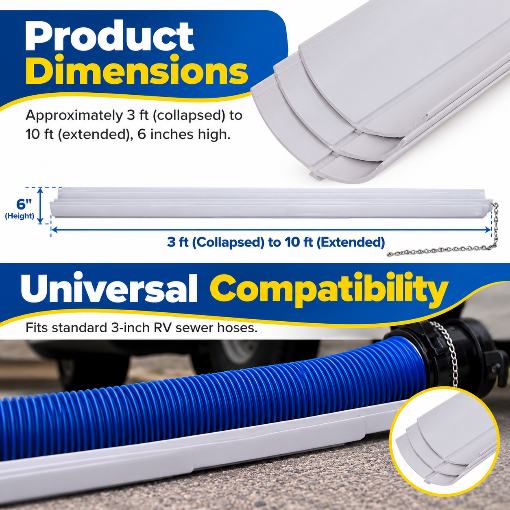
Tool #2: RV Easy Slider Sewer Hose Support
Maintain Better Drainage Instead of Dealing With Sagging Hoses.
Your sewer hose needs proper positioning to drain efficiently.
The RV Easy Slider Sewer Hose Support helps elevate and position the hose for a more consistent downhill slope toward the sewer inlet.

Why DIY RV owners need it:
-
Helps reduce low spots where wastewater collects.
-
Supports more consistent gravity drainage.
-
Keeps the sewer hookup more organized.
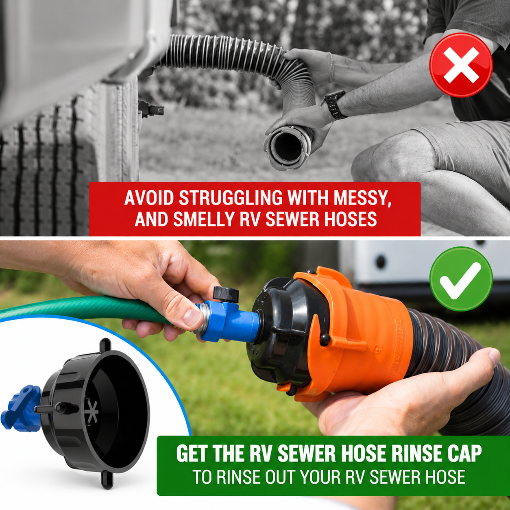
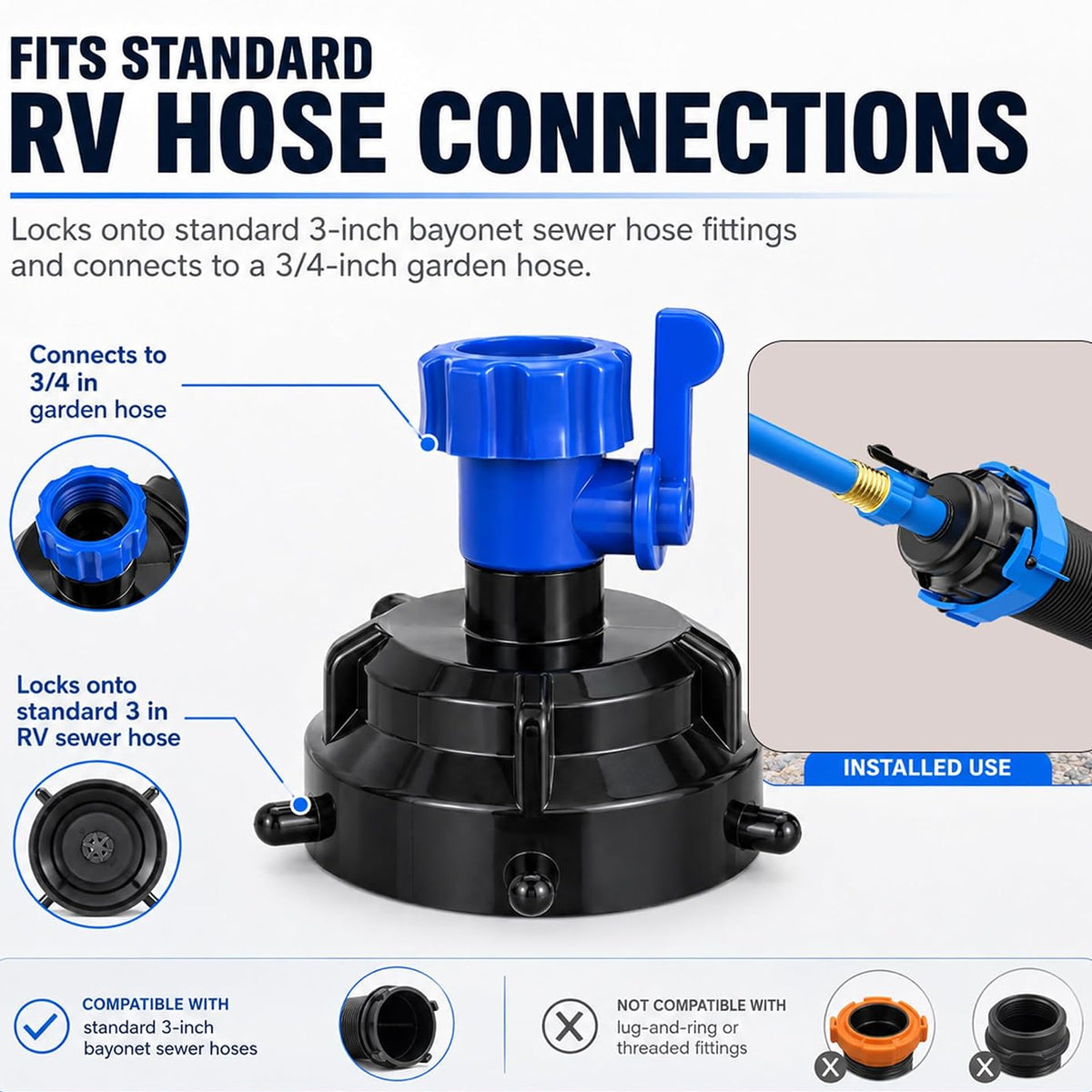
Tool #3: RV Sewer Hose Rinser Cap
Finish Every Dumping Job With a Proper Hose Rinse.
A dirty sewer hose shouldn't be part of your next camping trip.
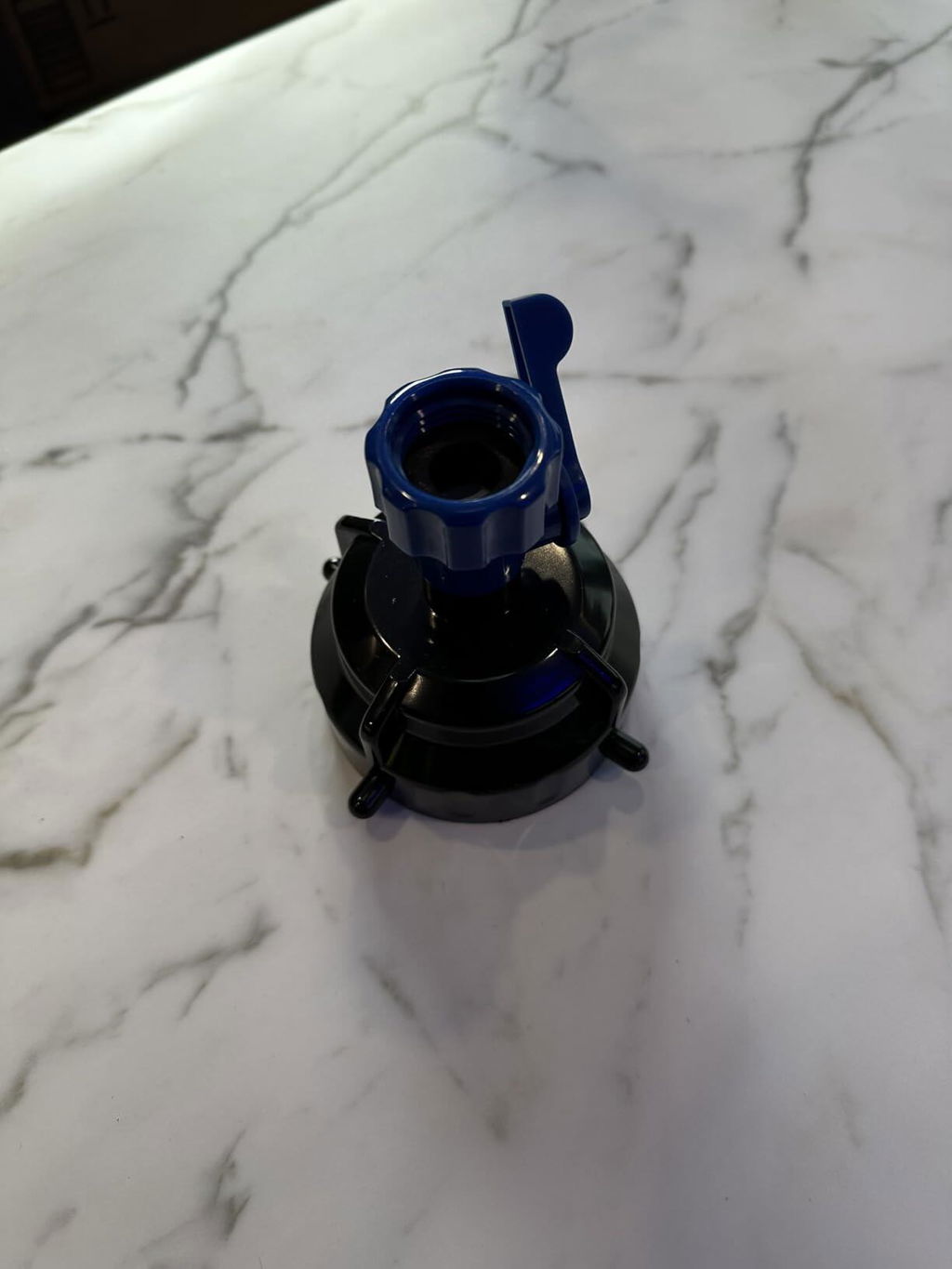
The RV Sewer Hose Rinser Cap helps flush leftover wastewater residue from the hose before disconnecting and storing it.

Why DIY RV owners need it:
-
Makes hose rinsing more convenient.
-
Helps remove residual wastewater after dumping.
-
Supports a cleaner storage routine.
A Simple Preventive Sewer Maintenance Routine
You don't need an elaborate maintenance process to take better care of your RV sewer equipment.
Just make these three steps part of your regular dumping routine.
STEP 1 — SUPPORT YOUR SEWER HOSE
Use the RV Easy Slider Sewer Hose Support to help maintain downhill drainage.
STEP 2 — EMPTY & RINSE YOUR HOLDING TANK
After properly dumping your tanks, use the RV Tank Rinser to help flush leftover residue.
STEP 3 — RINSE YOUR SEWER HOSE
Use the RV Sewer Hose Rinser Cap to help rinse remaining wastewater before storing the hose.
It's a straightforward routine that helps you stay on top of sewer maintenance.
Why Preventive Maintenance Matters
As a DIY RV owner, you already understand the value of regular maintenance.
You inspect components, clean equipment, and replace worn parts because you know that neglecting small issues can sometimes lead to bigger problems.
Your sewer system deserves the same attention.
While no accessory can guarantee that you'll never experience a clog, odor, or plumbing issue, consistent maintenance can help reduce avoidable buildup and cleanup hassles.
Good RV maintenance isn't just about fixing problems. It's about reducing the chances of them developing.
Add These 3 Essentials to Your RV Maintenance Toolkit
Instead of buying your sewer maintenance accessories separately, get three useful tools together in one convenient bundle.
The RV Preventive Sewer Maintenance Bundle helps you take care of tank rinsing, hose positioning, and final cleanup.
Whether you're preparing for your next trip, maintaining your RV between adventures, or improving your current sewer setup, this bundle makes a practical addition to your equipment.
Stay Ahead of the Mess. Maintain Your RV Sewer System the Smarter Way.
Get Your RV Preventive Sewer Maintenance Bundle Today!